The story of Muay Thai
From old Siam to the stadiums of Bangkok, and from there to our mats in Aguadilla.
Muay Thai is called the “Art of Eight Limbs” because fighters strike with fists, elbows, knees and shins. Older Thai manuals speak of “nine weapons”, adding the head, though head-butts aren't allowed in today's sport.
1400s – 1700s
Boxers of old Siam
Long before rings and gloves, muay was part of royal service and village celebrations. It was taught alongside Krabi Krabong, Siam's armed art of swords, staffs and polearms.
1400s
Records from the kingdom of Ayutthaya list a royal guard unit made up of boxers. Boxing was also popular entertainment at temple fairs, festivals and funerals.
1590–1605
LegendKing Naresuan the Great rules Siam. Later tradition celebrates him as a warrior-king of Muay, though no records from his own time show him boxing.
Early 1700s
King Sanphet VIII, the “Tiger King”, disguises himself as a commoner, enters a boxing contest at a temple fair, and wins. It's recorded in a royal chronicle, making it the best-documented royal boxing tale.
1767
LegendBurmese armies capture and burn Ayutthaya. Among the prisoners, legend says, is a young boxer named Nai Khanom Tom.
1774
LegendAt a festival in Rangoon, Burma's King Hsinbyushin has Nai Khanom Tom fight his champions. He is said to beat nine or ten in a row and win his freedom. The story appears only briefly in a chronicle compiled in 1795, and it has grown with every retelling.
1788
Two French boxers challenge Siam. The Siamese fighter Muen Phlan wins, in one of the earliest recorded international bouts.
1868 – 1937
From temple grounds to the ring
Three kings set out to modernize Siam, and Muay changed with the country. In about 70 years it went from open courtyards and rope-bound fists to a regulated sport.
1868–1910
King Rama V holds royal tournaments and brings Muay into military and school training.
1910
Rama V gives noble titles to champions from Korat, Lopburi and Chaiya. Together with Thasao in the north, these regional styles are known today as Muay Boran (“ancient boxing”).
1913
British boxing is added to the curriculum at a Bangkok school. The name “Muay Thai” probably came into use around this time, to tell the local art apart from the foreign one.
1921
Under King Rama VI, Siam's first permanent boxing ring is built in Bangkok.
1928
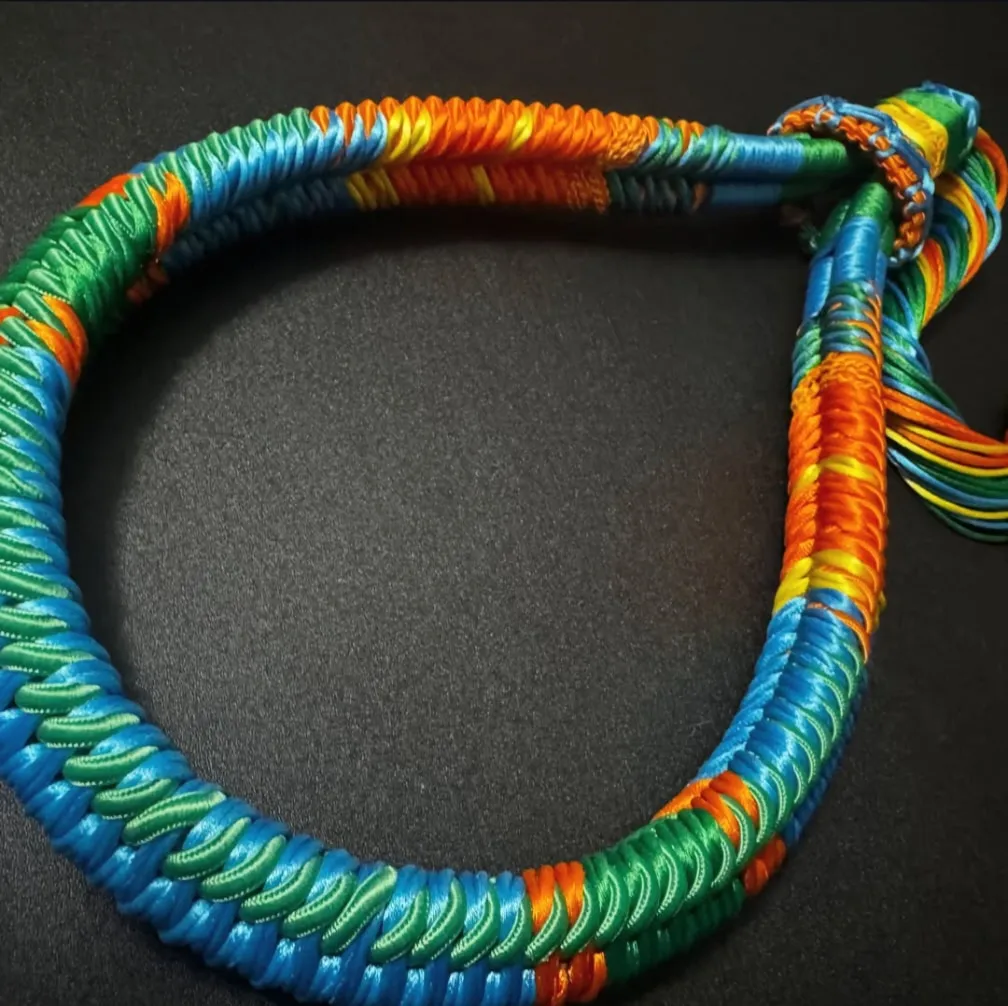
A fighter dies after a bout fought in kard chuek (cord or hemp hand-bindings). Under King Rama VII, padded gloves become compulsory in Bangkok (1928–29), and other regions follow over the next years.
1937
Official written rules arrive: timed rounds, referees and protective gear. These changes were mainly about fighter safety and modernizing the country, not about exporting the sport.
1945 – 1997
The stadium era
Muay Thai finds its great stages, and Bangkok's stadiums become the heart of the sport.
1945
Rajadamnern Stadium holds its first fight.
1950
A full system of weight divisions is introduced.
1955
The first televised Muay Thai fight is broadcast from Rajadamnern.
1956
Lumpinee Stadium opens. Rajadamnern and Lumpinee become the most prestigious stages in the sport.
1966
Japanese promoters, inspired by Thai fighters, hold the first kickboxing event in Osaka. Muay Thai's influence begins to spread abroad.
1980s – mid-1990s
The Golden Age. Packed stadiums, record purses, and legends such as Samart Payakaroon, Dieselnoi Chor Thanasukarn and Karuhat Sor Supawan taking each other on.
1997
The Asian financial crisis hits Thailand, and the Golden Age fades.
1993 – today
Going global
Muay Thai travels the world, while Thailand works to protect its roots.
1993
IFMA, the world body for amateur Muay Thai, is founded.
2011
The Thai government makes February 6 National Muay Thai Day, honoring the Tiger King.
2014
Lumpinee Stadium moves to a new home.
2021
IFMA receives full recognition from the International Olympic Committee. It's a big milestone, but it doesn't yet make Muay Thai an event at the Olympic Games.
2022
Rajadamnern holds women's fights for the first time in its almost 77-year history.
2023 – today
Thailand makes Muay Thai a flagship of its “soft power” strategy. An estimated tens of thousands of people travel to Thailand each year to train. In MMA, from ONE Championship to the UFC, Muay Thai's clinch, elbows, knees and kicks are standard tools.
2028
Coming upUNESCO is expected to decide on Thailand's nomination of Muay Thai for its Intangible Cultural Heritage list.
Today, in Aguadilla
And the story goes on. Every time you wrap your hands, bow to your coach or throw a round kick on our mats, you carry it forward.
Traditions that survived the journey
After centuries of change, traditional bouts still open with the Wai Kru Ram Muay, a ritual dance honoring one's teachers.
- Fighters wear the sacred mongkhon headband, removed after the ritual, and often prajiad armbands.
- Live music on the pi (oboe), klong khaek drums and ching cymbals accompanies the ritual and the fight.
- Some international and televised events shorten the ritual or leave it optional.
Feb 6
National Muay Thai Day
Official since 2011, honoring the Tiger King.
Mar 17
Nai Khanom Tom Day
Also called Thai Boxer's Day. Fighters from around the world gather in Ayutthaya for a huge Wai Kru.
Think about it
- Which events on this timeline are recorded history, and which are legend? Why does that difference matter?
- Why might a nation build hero stories, like the legend of Nai Khanom Tom, around its national sport?
- Which change to the sport (gloves, rings, rounds, weight classes) do you think made the biggest difference, and why?
Write your part of the story
Try Muay Thai at Excel Combat Academy with a free 1-week trial. No experience needed.
Start Free 1-Week TrialSources: Ayutthaya royal chronicles, IFMA, Tourism Authority of Thailand, Bangkok Post, The Nation, and P. Vail, “Muay Thai: Inventing Tradition for a National Symbol” (Sojourn, 2014).